Casablanca possesses one of the world’s largest collections of Art Deco architecture, a legacy of the city’s rapid development during the early twentieth century. The Ville Nouvelle is where this heritage is most concentrated, and it rewards an afternoon of unhurried exploration.
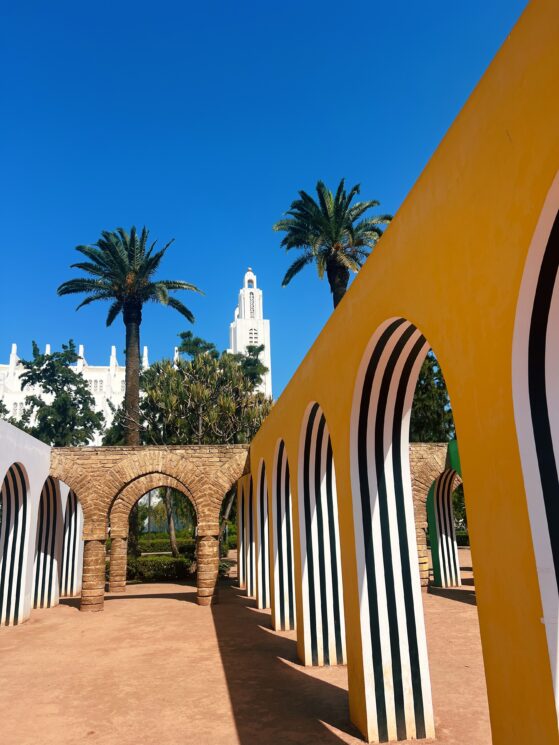
Begin at the former Casablanca Cathedral, also known as Sacré-Cœur. No longer functioning as a church, the striking white structure now hosts exhibitions and cultural events. Its blend of neo-Gothic and Art Deco influences makes it one of the city’s most fascinating buildings. Continue to Villa des Arts, housed within a beautiful historic villa, which showcases contemporary Moroccan artists and provides an excellent introduction to the country’s modern creative scene. For a deeper look into Moroccan heritage, the Abderrahman Slaoui Foundation Museum is elegant and intimate, featuring jewellery, decorative arts, travel posters, and works that trace Morocco’s story through the twentieth century.
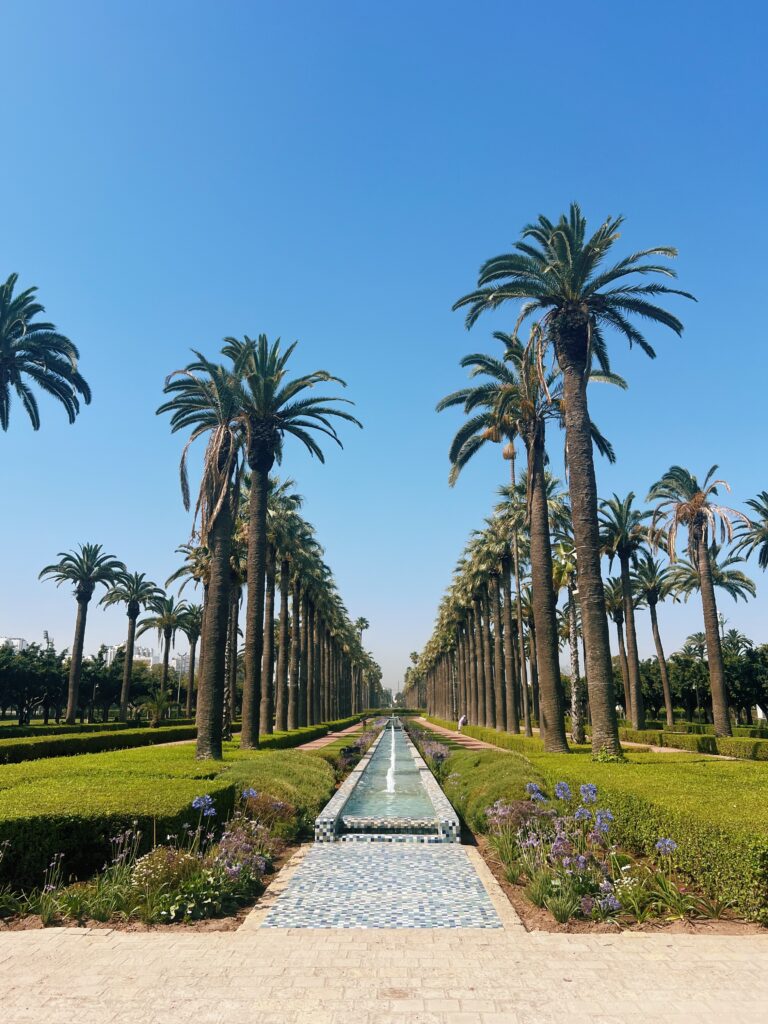
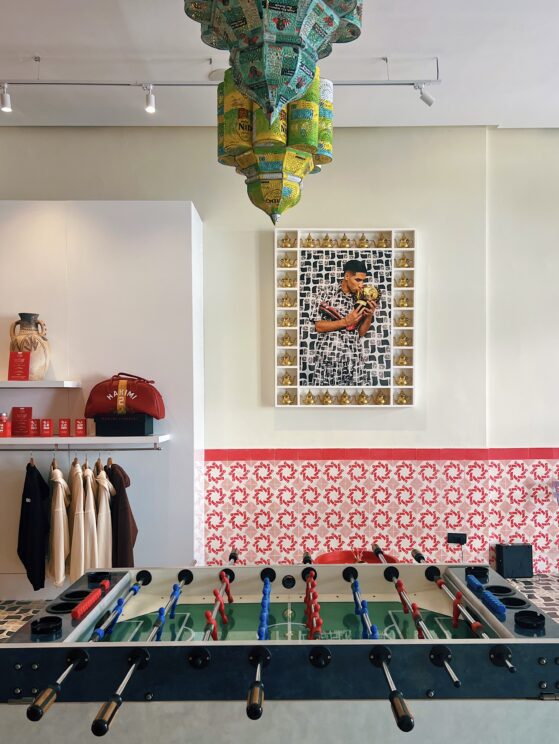
Parc de la Ligue Arabe, Casablanca’s largest urban green space, is the natural place for a mid-afternoon pause. Lined with palm trees, gardens, and shaded walkways, it offers a peaceful counterpoint to the surrounding city. Nearby in the Maarif neighbourhood, Cafe JUJ on Rue Aziz Bellal is one of the city’s most original spaces: created by Moroccan football star Achraf Hakimi and artist Hassan Hajjaj, it blends specialty coffee, street culture, and design under one roof. The aesthetic draws from Moroccan street-vendor culture — stacked crates, saturated colour, checkerboard patterns — filtered through Hajjaj’s pop maximalism. As much a concept store and cultural hangout as a café.

The Ville Nouvelle is also home to Casablanca’s most compelling contemporary art spaces. Loft Art Gallery is one of Morocco’s leading venues for established and emerging Moroccan artists. L’Uzine, an industrial warehouse transformed into a multidisciplinary cultural centre, hosts exhibitions, performances, and live music depending on the schedule. EAC-L’Boulvart has played a significant role in supporting Morocco’s hip-hop, rock, and alternative music scenes. Together, these three spaces reveal a side of Casablanca that many visitors never discover.
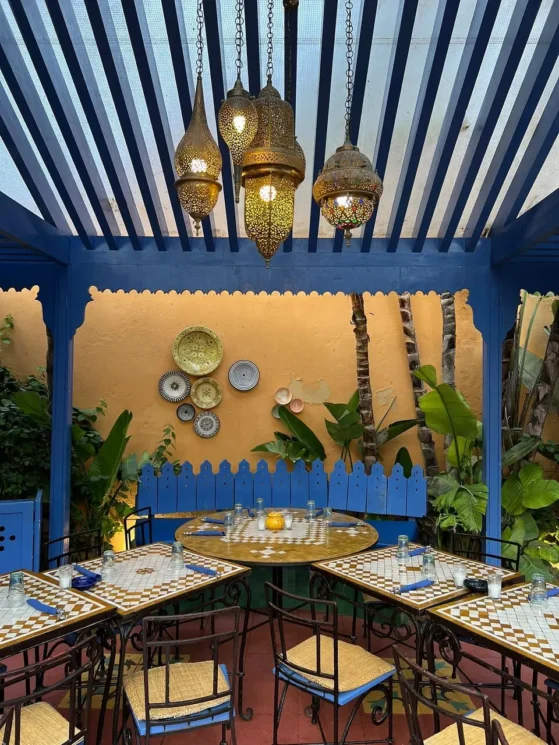
For dinner, Al-Mounia is one of Casablanca’s most iconic restaurants. Set in a beautifully decorated space featuring intricate zellige tilework, carved wooden details, and a charming garden courtyard, it offers classic Moroccan dishes: chicken b’stilla, tajines, and couscous prepared according to time-honoured recipes. Warm, unhurried, and entirely lacking in pretension.