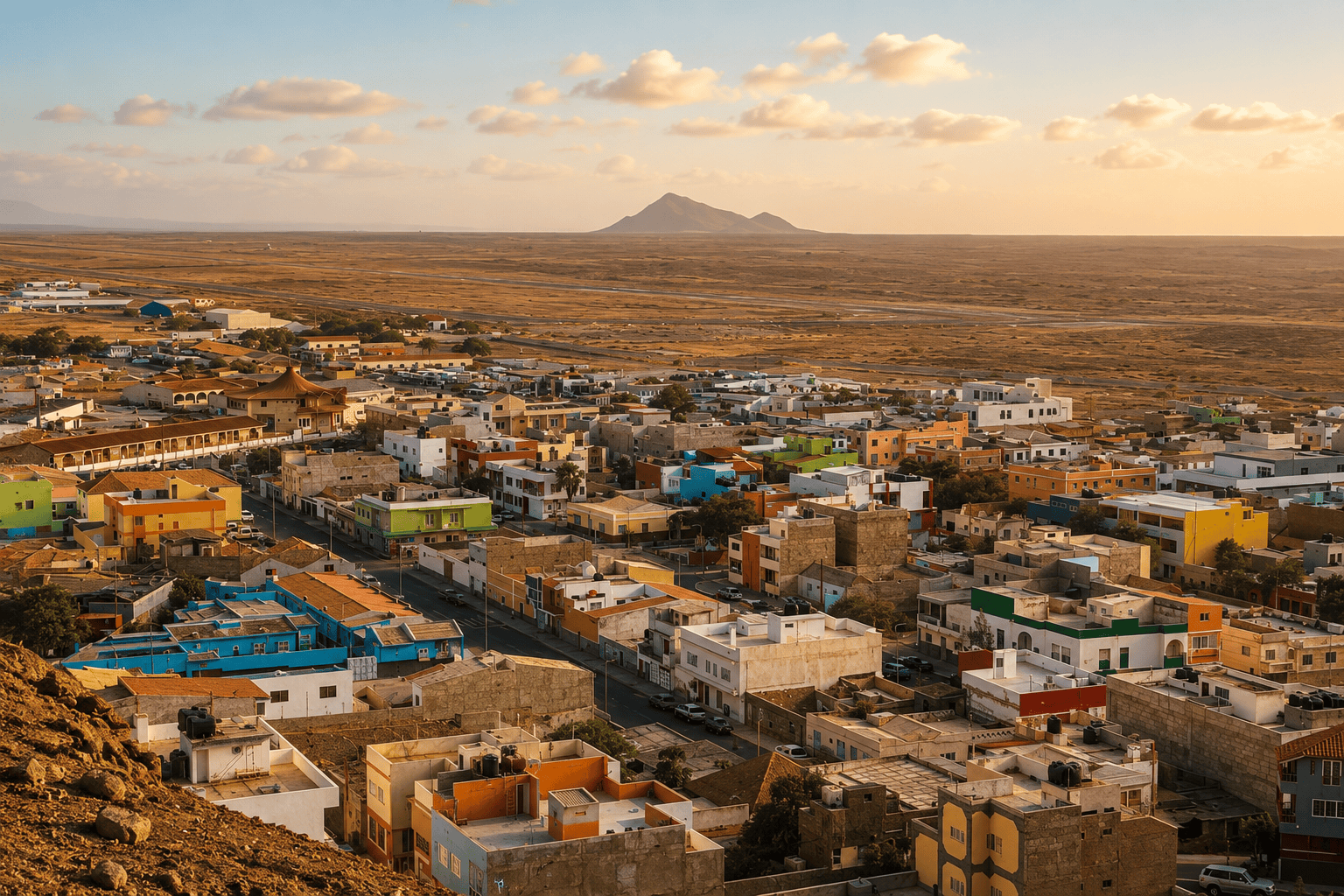
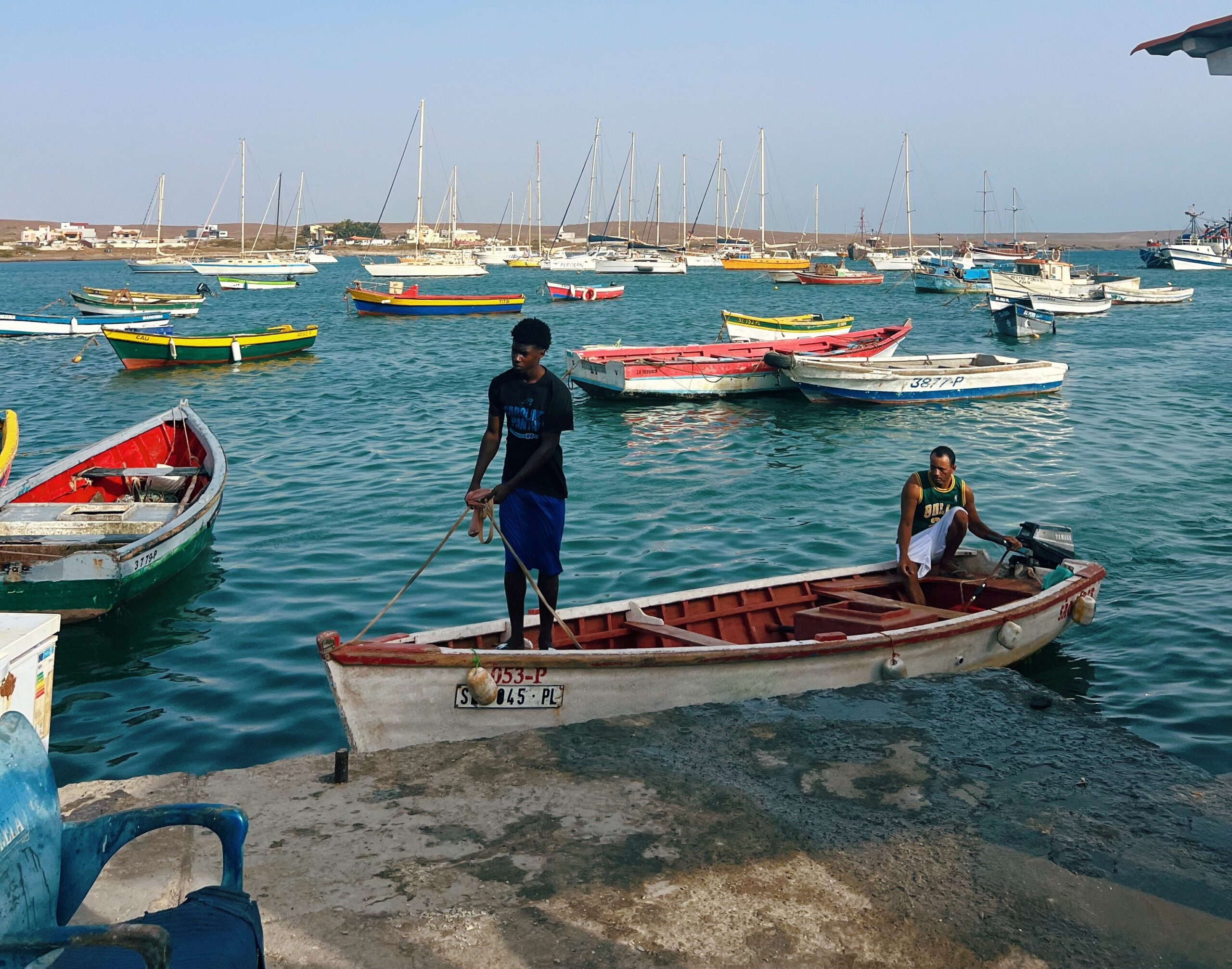
A few weeks ago, most people couldn’t have placed Cabo Verde on a map. Then a football team from a nation of half a million people held Spain to a draw, then Uruguay, then pushed Argentina to extra time, and an archipelago that had spent decades on the margins of global attention suddenly wasn’t. What’s landed in its place is a country most people are meeting for the first time, and a travel industry ready to funnel them straight into the same two islands and the same all-inclusive gates that most visitors have quietly stuck to for years. Cabo Verde is ten islands. Sal and São Vicente, where we spent most of our time, are only the beginning of it.
We flew via Casablanca from Barcelona, though Sal is well served from further afield too: plenty of direct flights from the UK, and a strong showing from Lisbon, which explains the steady presence of Portuguese travellers on the ground.
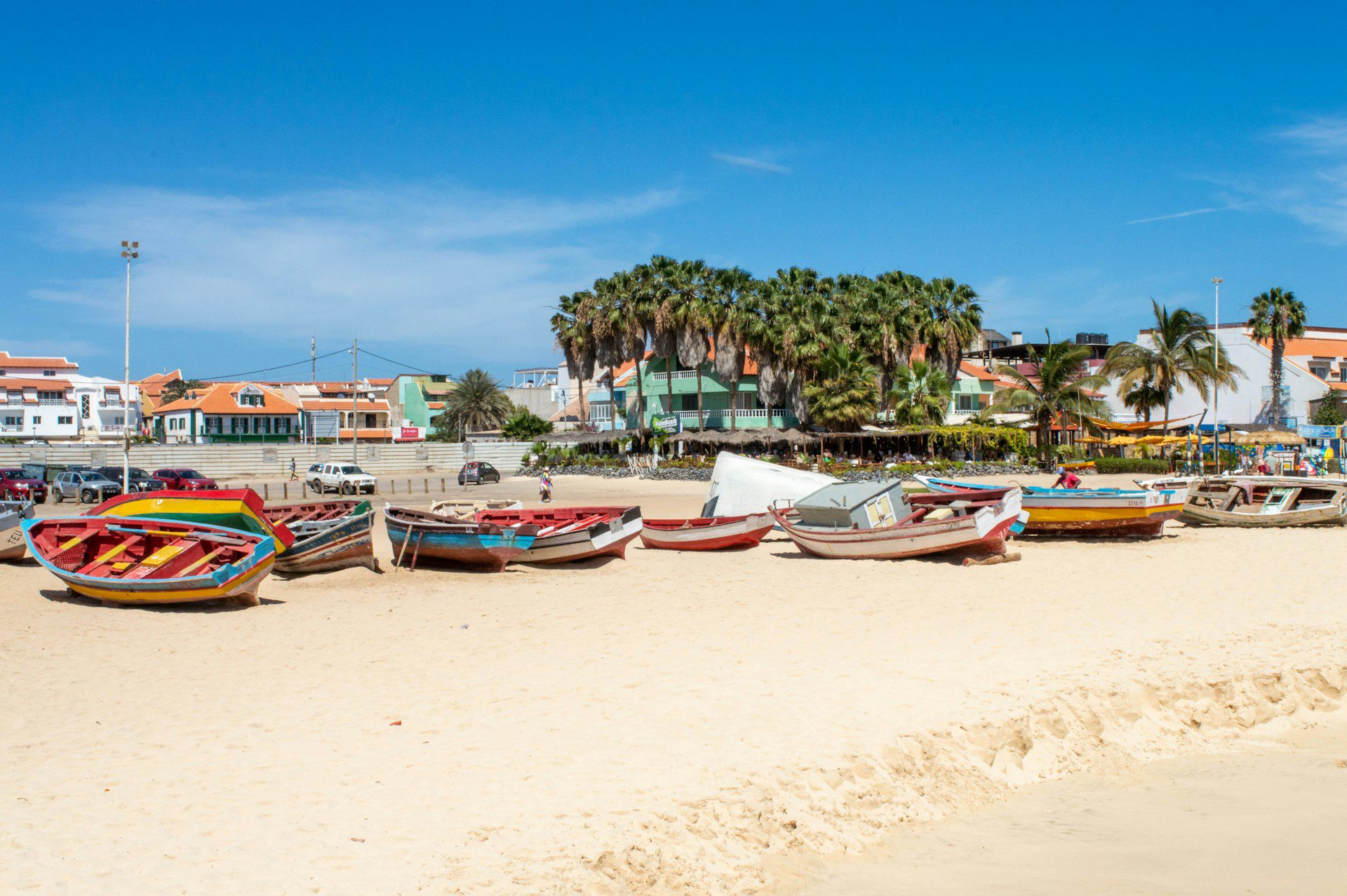
Sal: the base, not the destination
We stayed at the Hilton, deliberately at the quieter end of the beach and away from the busier resort core. It’s not usually our style to book somewhere so large, but with a kids’ club and proper facilities on the list, it made sense, and it worked. We were careful not to let it become the point of the trip, though.
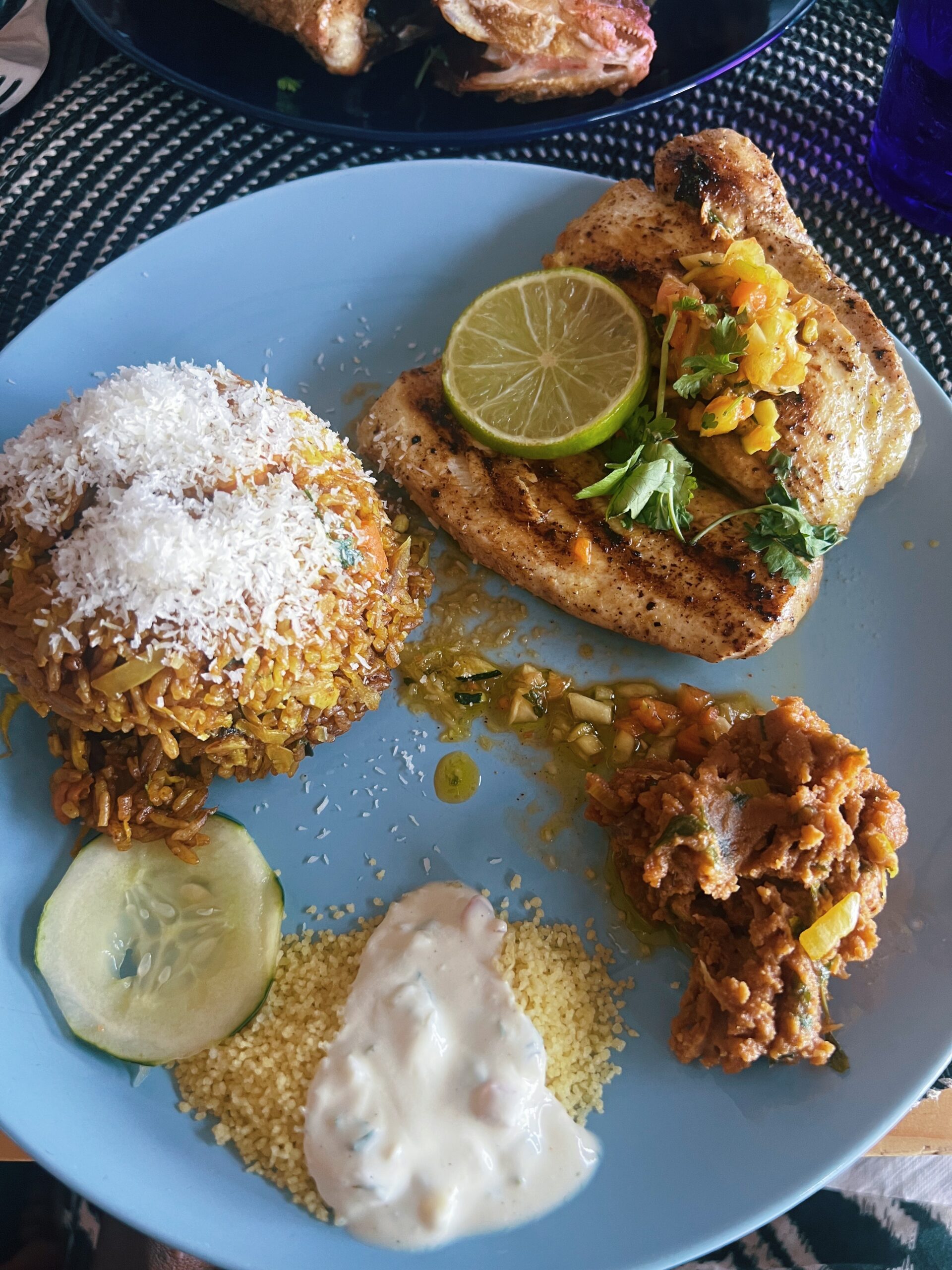
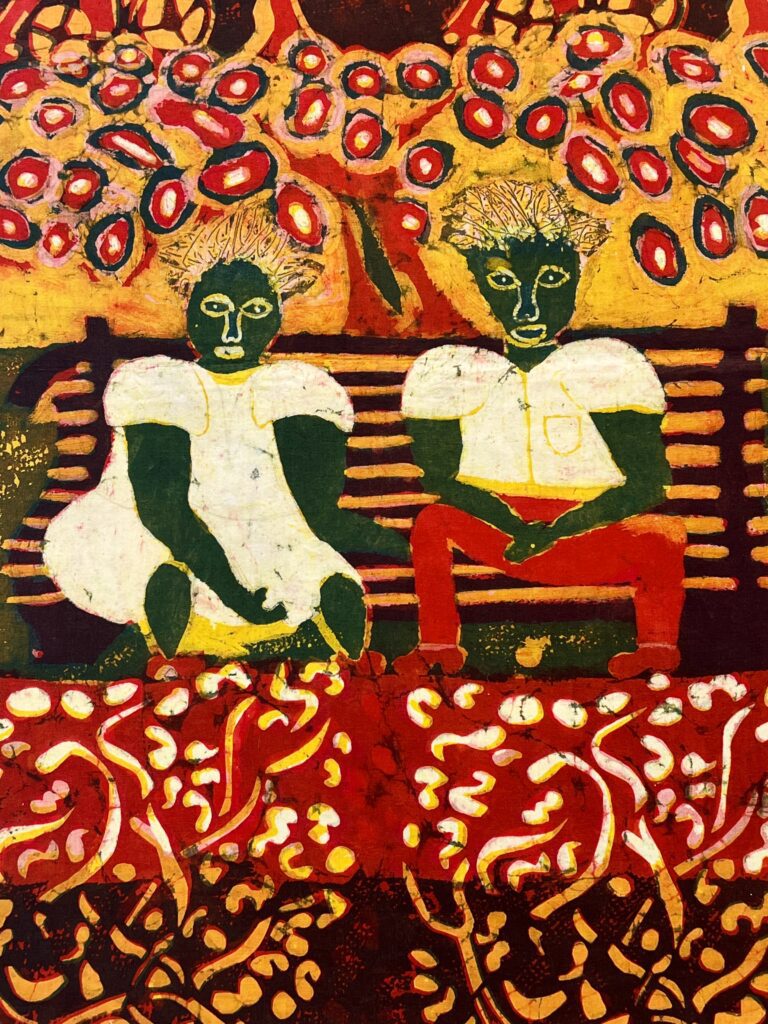
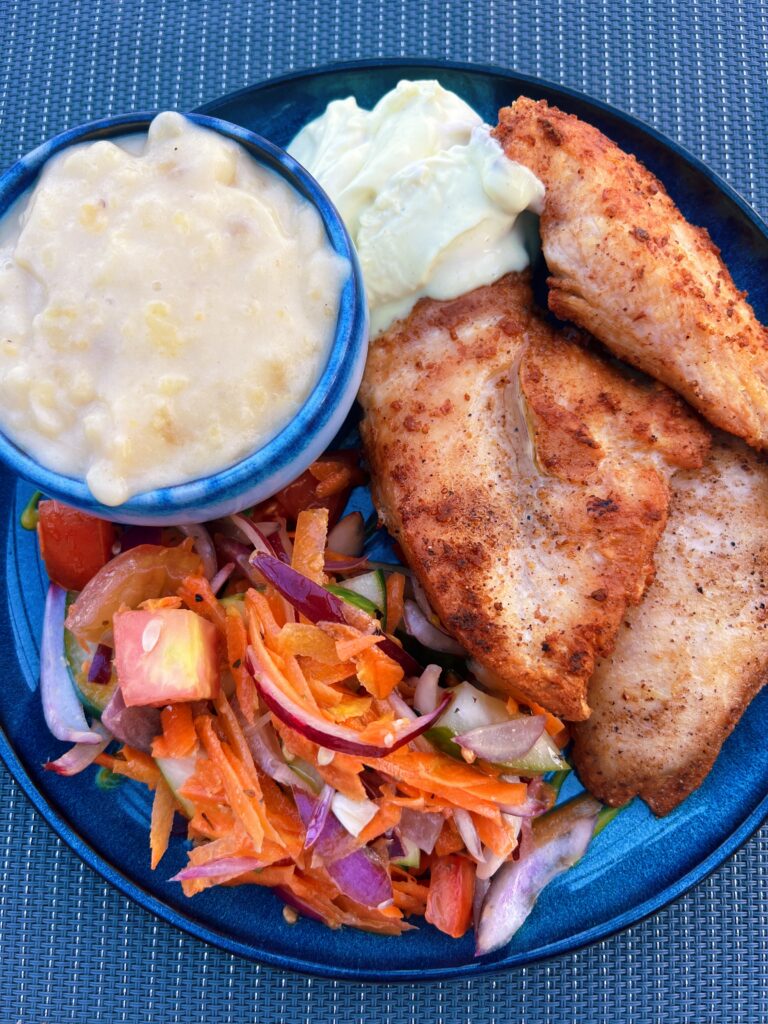
Just off the main stretch, away from the tourist clutter, Djunta Mo, a fair-trade art store, pulled us in more than once, everything in it genuinely Cabo Verdean: fragrances, hand-carved African dolls, local beer, small things that felt worth carrying home rather than souvenirs bought out of obligation. Art Kafé became something of a fixture too, a relaxed, cultural pulse that never felt staged, and a cachupa there good enough to make us wonder why we’d order anything else for the rest of the trip. Café Crioulo had a different energy entirely, a proper mix of locals and visitors, fantastic fish platters at prices that felt almost unfair, and the kind of room where it’s hard not to crane your neck at what everyone else has ordered, arriving early enough that the tables were still ours to choose.
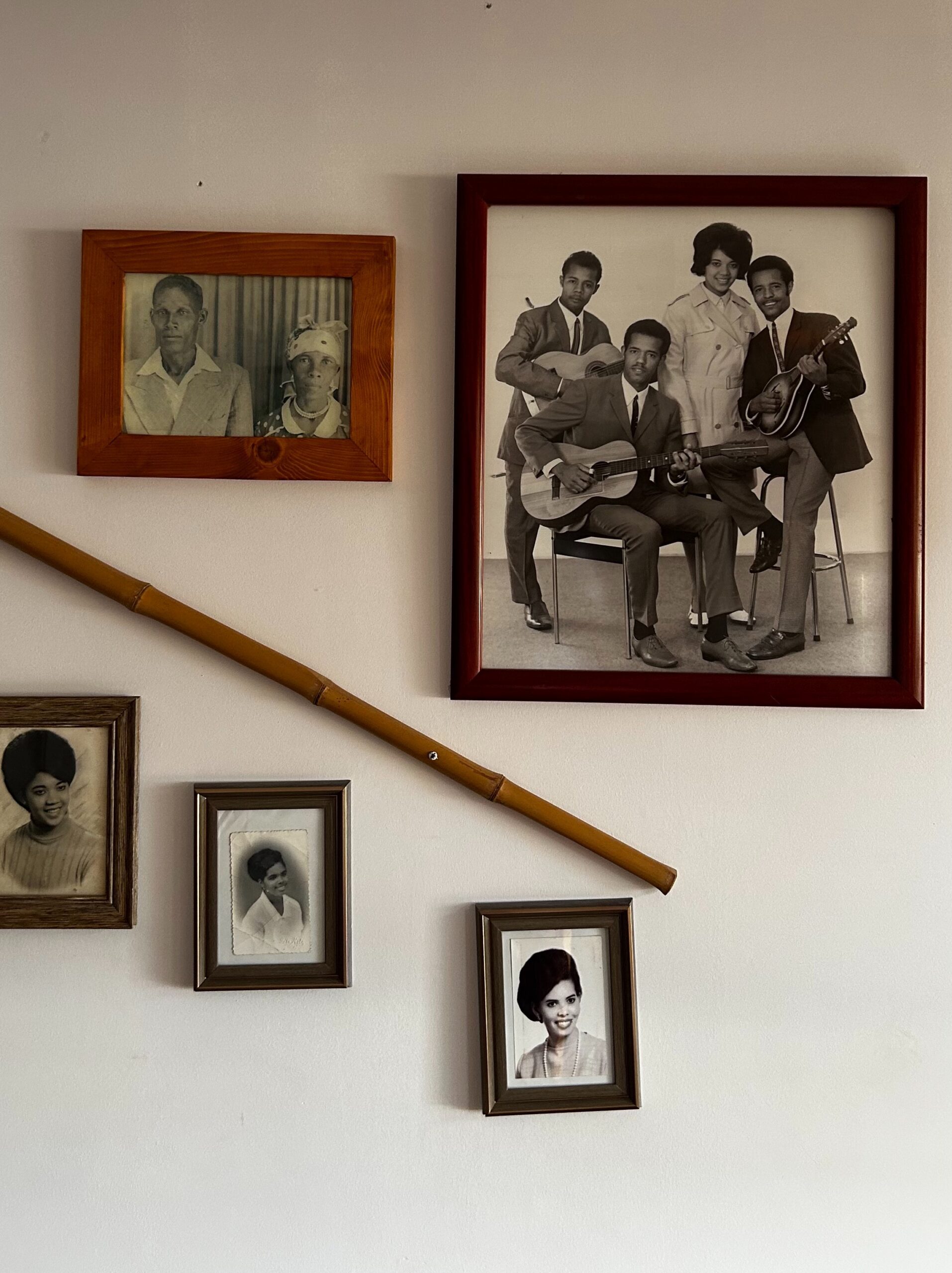
That warmth wasn’t confined to the places we ate. There was music nearly everywhere, drifting from a doorway or a car window, and something would inevitably go slightly wrong, a delay, a mix-up, and someone would just tell us not to worry about it. Chill. It happened enough times that it stopped feeling like coincidence and started feeling like a way of life.
The taxi driver who guided us for part of our stay, the only woman doing that work in Sal at the time, had that same quality. She took us to Palmeira, a fishing town too quietly self-contained to notice tourists passing through, and up above Espargos, where much of the island’s population actually lives. Colourful, humble rooftops spread out below, and nobody, including her, seemed in any rush to move us on to the next thing.
At Pachamama Eco Park, the manager stopped what he was doing to tell us to slow down, take our time, and above all not to miss the cacti section, a small thing that turned into one of the more unexpectedly lovely hours of the trip.
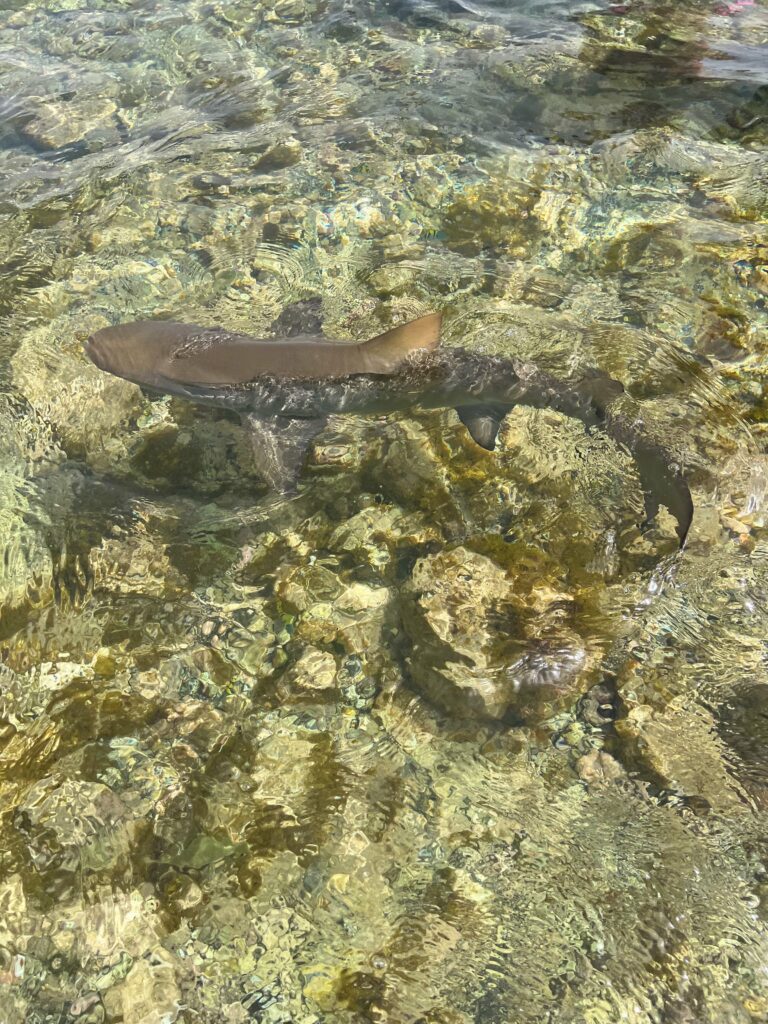
Not everything on Sal asked for stillness. Lemon Shark Bay is a proper tourist stop, no pretending otherwise, but it’s a must regardless. The guide who led us there added something of his own to it: dreadlocks, sharp clothes, several languages moving easily between them, an ease that had nothing to do with performance. It’s a kind of coolness that shows up again and again here, in people who have every reason not to bother and choose to anyway.
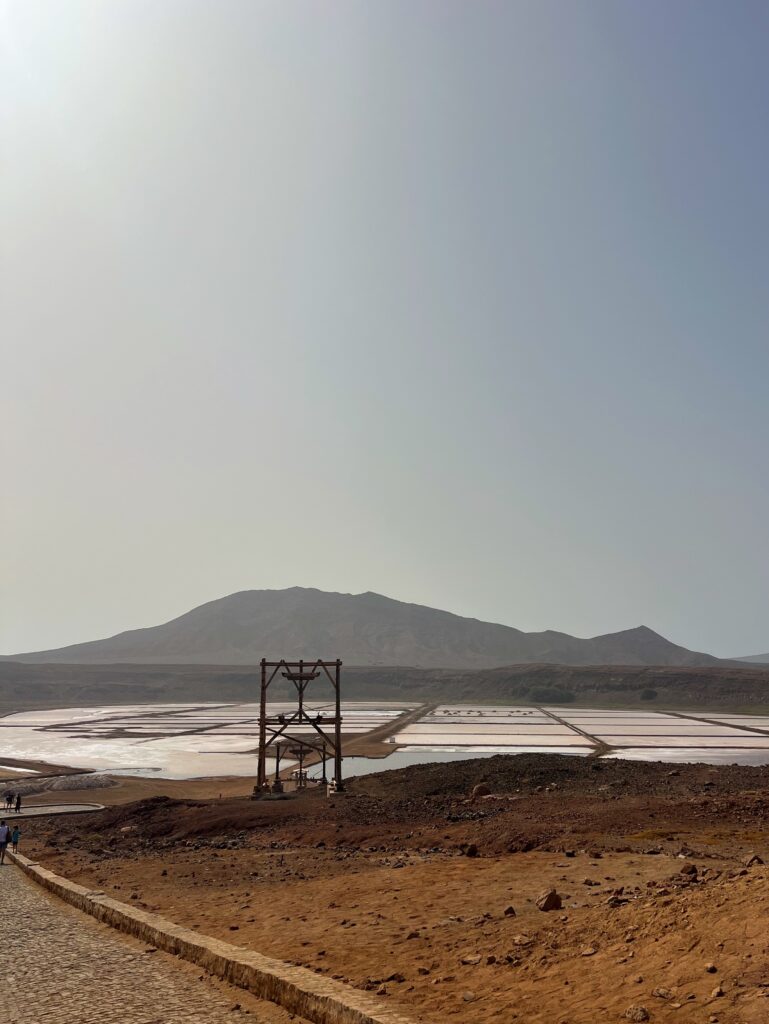
Pedra de Lume, by contrast, is where the island goes quiet. There’s no shade across the old salt basin, so we went late in the day once the heat had eased, and found locals doing what they’ve apparently always done there: floating, weightless, in water they say carries real benefits. It felt like the right note to end on. Unhurried, like everything else about the island had been.
São Vicente: a different register
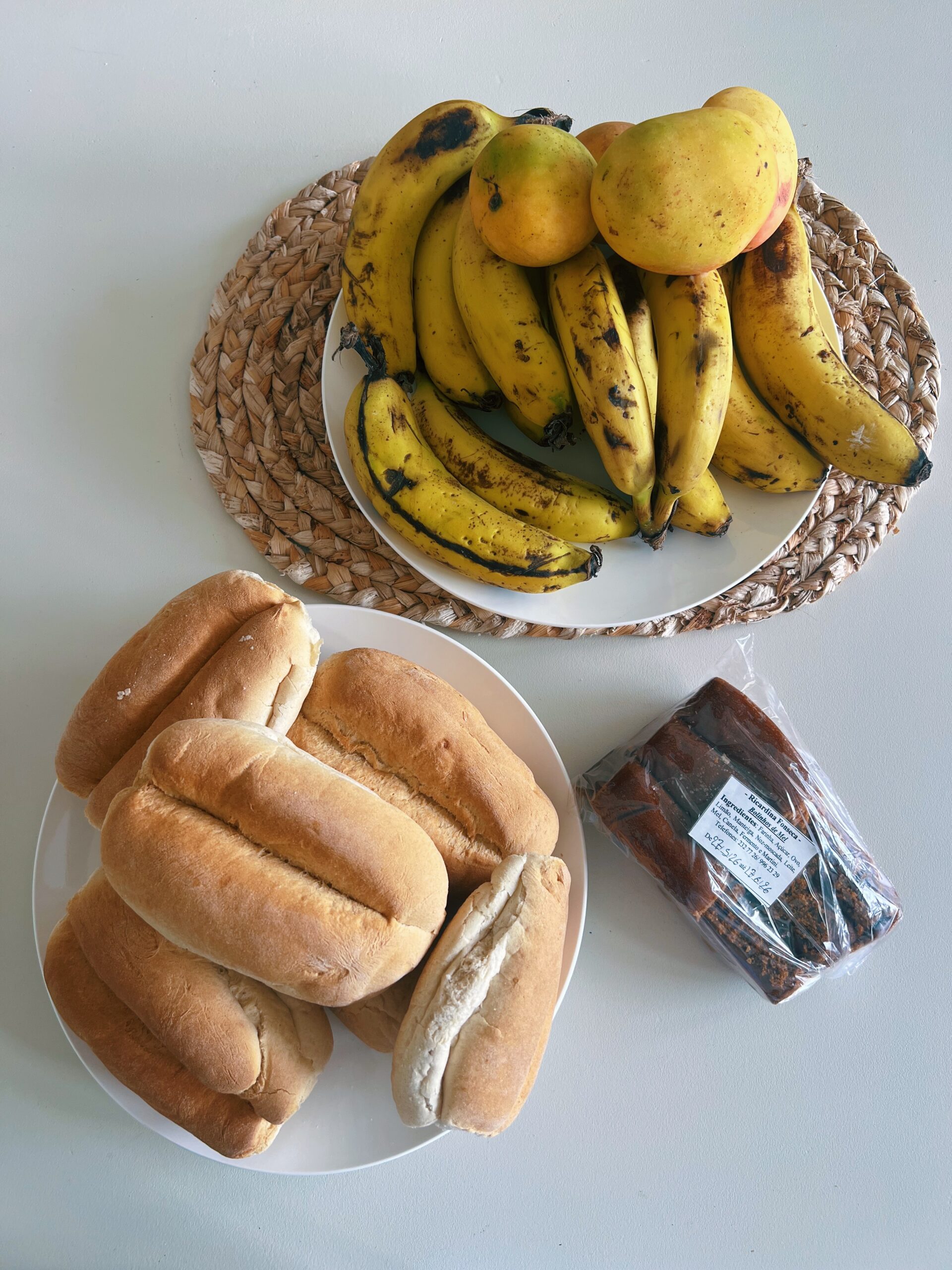
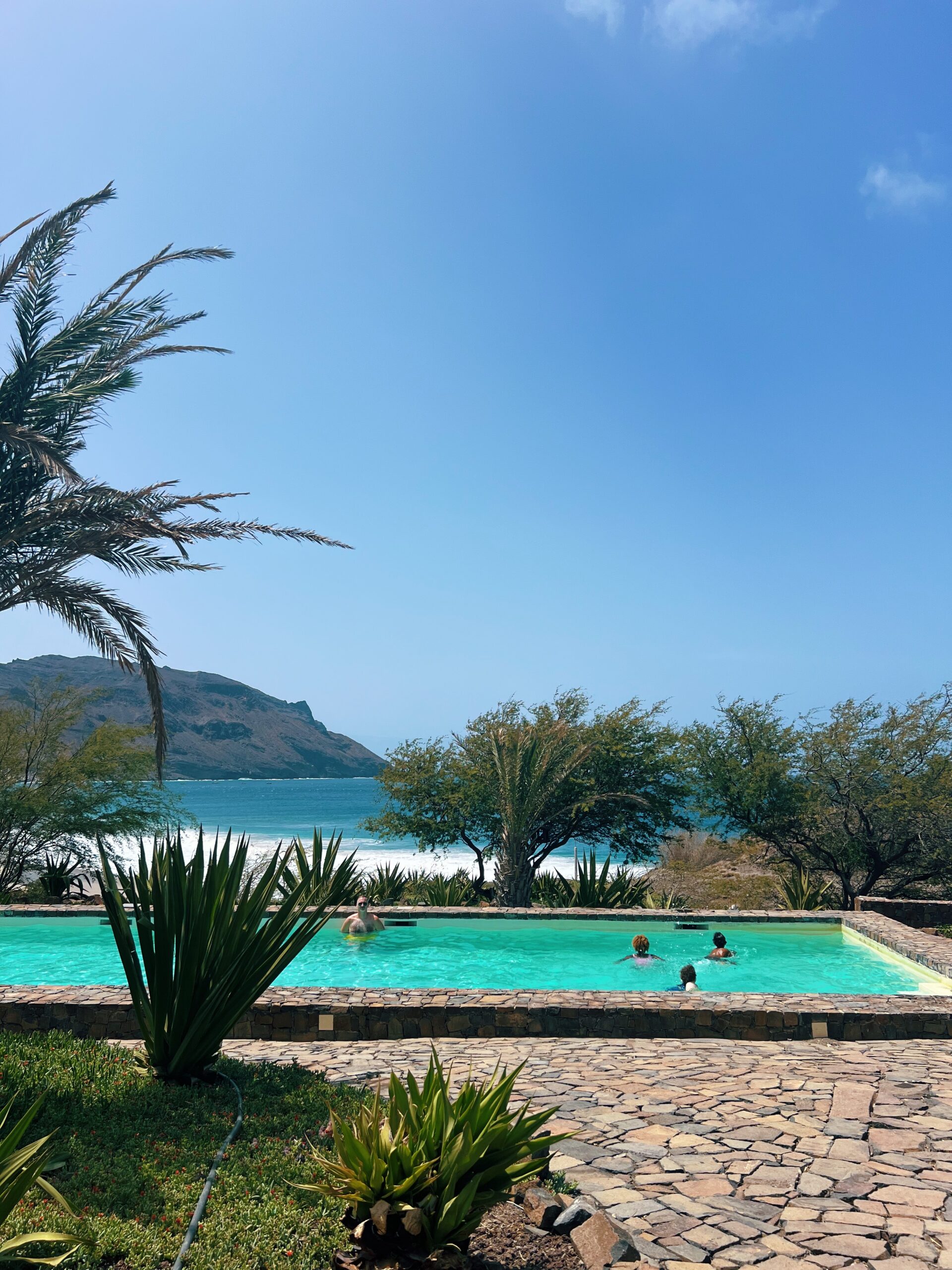
Landing in São Vicente felt like arriving somewhere else entirely. We stayed at São Pedro Bay Beach Resort, an eco-conscious property built largely from natural materials and set against a bay that’s rocky, mountainous, and almost entirely unspoilt. With our own apartment, we fell into a quiet ritual of topping up on bulla bread, plantain, hard dough bread, and whatever fruit looked best that morning. Some mornings we’d wake to find the gardeners and pool staff already at work, headphones in, moving unhurriedly around the grounds before the day’s heat arrived. We made a point of stopping to talk, and they were always happy to, the same quiet warmth we’d found on Sal showing up again here, just dressed differently. We ate at the resort’s own chiringuito several nights, and found an easy, unpretentious alternative at Santo André Bar and Bistro when we wanted something more casual.
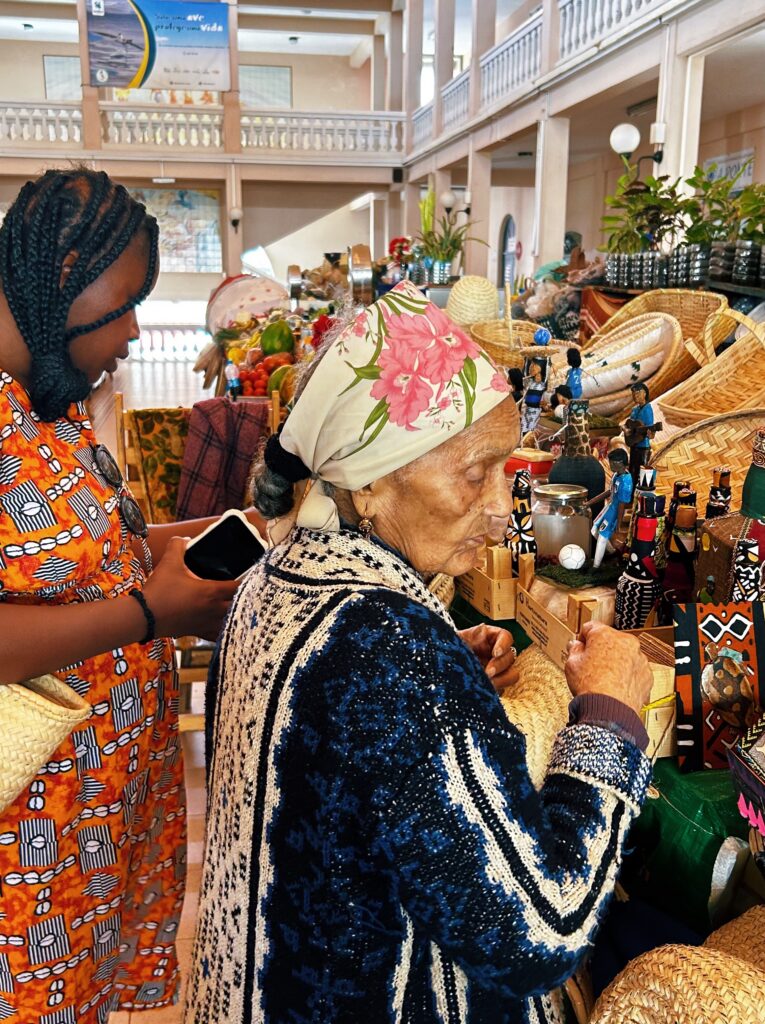
Mindelo has a different pulse altogether: busy, sociable, full of life in a way São Pedro Bay deliberately isn’t. We started at the Mercado Municipal, picking up souvenirs and food for the villa, then lost a genuinely enjoyable stretch of time at the Centro Nacional de Artesanato, well laid out and quietly educational without ever tipping into a lecture. Cesária Évora’s presence runs through the whole town; her mural turns up again and again as a kind of anchor point as you wander, a reminder of how much the country’s music still shapes its sense of itself. The streets themselves are handsome, opening onto small praças and no shortage of bars, the kind of place that rewards getting a little lost.
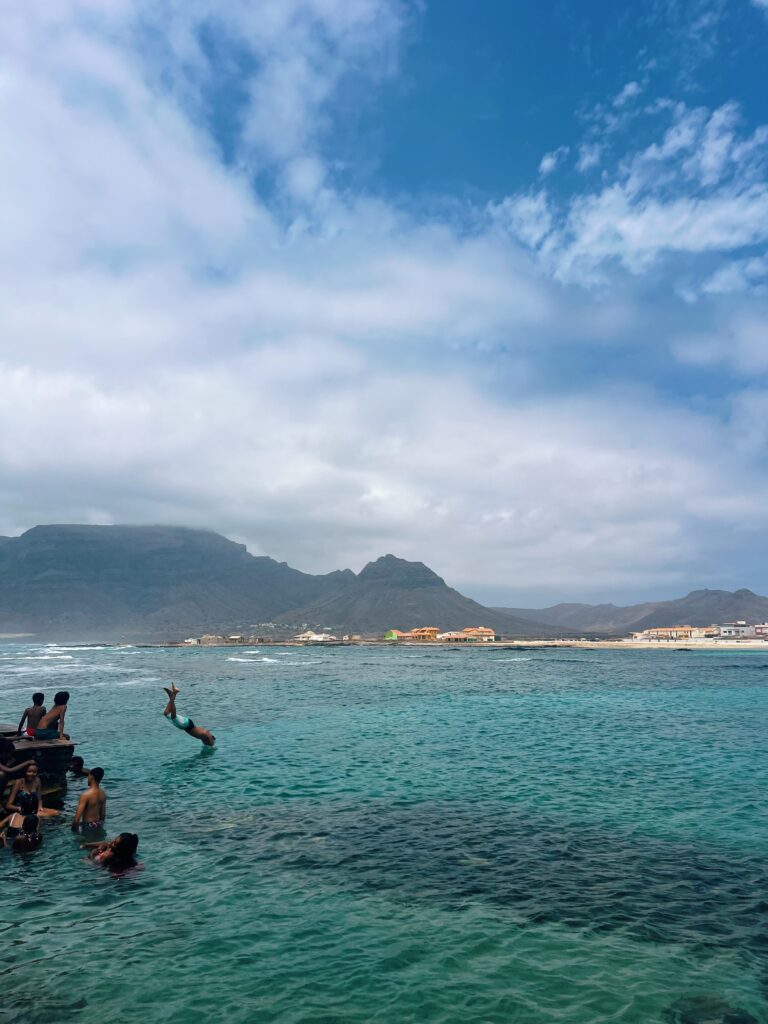
Baía das Gatas is very much a local beach, and that was most of its appeal. We spent a long stretch simply watching families picnic along the sand, kids diving off the boardwalk into water so blue it looked staged against the mountains behind it. The dunes we’d read about turned out to be right there too, close enough to wander over without any real plan to.
From Baía das Gatas we carried on to Calhau, a small fishing village further along the coast, and ate at a restaurant called Hamburg, of all names, for the freshest fish of the trip, served with simple sides of salad and potatoes. Be warned: the portions are enormous, delightfully so, and we left with no room for anything else that day.
We bought fish separately at the market in Mindelo and cooked it back at the villa, ate an outstanding grouper while out on tour, and visited Lazareto to see the Doze Voltas, the switchback road that’s become something of a local landmark.
We’d hoped to make it across to Santo Antão, but the crossing was too rough that week and we didn’t chance the boat. Worth flagging honestly: the crossings are weather-dependent, so it’s sensible to build in flexibility rather than count on it.
The rest of the archipelago
Sal and São Vicente are two islands out of ten. Santo Antão’s hiking trails, Boa Vista’s dunes, Fogo’s volcano, and Santiago’s capital, Praia, are all still ahead of us. For a broader look at the rest of the archipelago, our earlier piece on Cabo Verde’s islands is a good place to start.
Cabo Verde earned its moment on the biggest stage in football. What we’ll remember has little to do with the pitch: a taxi driver in no hurry to move us along, a park manager telling us to slow down, gardeners who’d stop mid-song to talk. That’s not a highlight reel. It’s just how people are there, and it’s worth knowing before the crowds catch up.