Subscribe

72 hours in Antwerp

Antwerp earns its reputation quietly. Belgium’s second city doesn’t court attention the way Amsterdam does, or perform for visitors the way Bruges can feel compelled to. What it offers instead is something harder to manufacture: genuine creative identity. The fashion world knows it. The design world knows it. Increasingly, the travel world is catching up.

It is a small city by any measure, compact enough to cover most of it on foot, a fraction of the scale of Copenhagen. But what Antwerp lacks in size it more than compensates for in density: of art, of design, of cultural ambition. Few cities this size can claim a UNESCO World Heritage museum, one of Europe’s great collections of Flemish masters, a fashion school that reshaped the global industry, and a restaurant scene that punches well above its population. The comparison with Scandinavia’s capitals flatters Antwerp less than it should. This is a city that has been quietly doing all of this for centuries.

This is a city shaped by trade, artistic ambition, and Flemish craft, and those threads run through everything: from the architecture to the menus to the independent shops that line its most interesting streets. Spend 72 hours here and you’ll leave wondering why it took you so long.

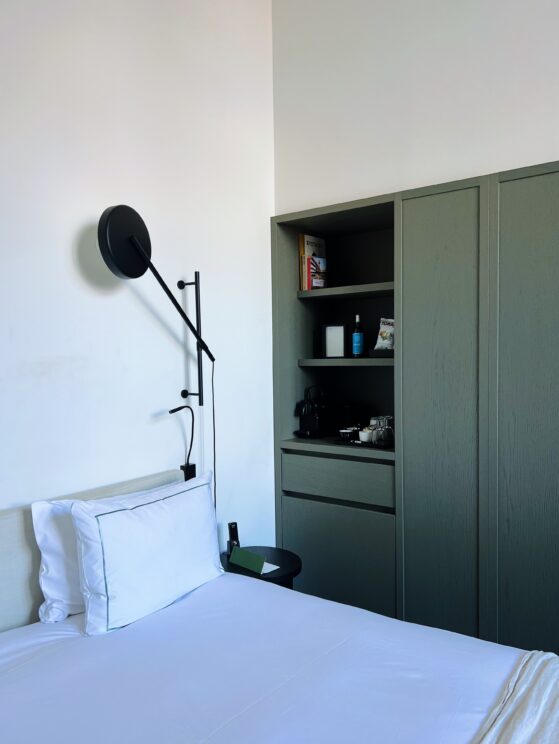
Base yourself at August (Green Quarter), a former Augustinian convent reimagined by Vincent Van Duysen into one of the most considered boutique hotels in Europe. Or, if you want to be closer to the galleries, Hotel Pilar on Leopold De Waelplaats in ‘t Zuid has 17 design-forward rooms and what many consider the best brunch in the city. For the historic centre itself, Hotel Julien on Korte Nieuwstraat occupies two 16th-century townhouses with a rooftop terrace and spa in the ancient cellars: understated, personal, and extremely well considered. And Hotel ‘t Sandt, a 29-room property near the Grote Markt in a building that has been, across its lifetime, a customs house, a banana warehouse, a soap factory and a sculptor’s studio, brings all of that layered history into its rooms. Each is different. Some have exposed beams. Others have wrought-iron spiral stairs up to the bed.

Processed with VSCO with l4 preset
Processed with VSCO with al1 preset

Historisch Centrum

Start where Antwerp started. The Grote Markt, with its ornate guild houses, the Brabo Fountain at its centre and the Cathedral of Our Lady rising close by, is one of the most handsome main squares in northern Europe, and the kind of place that rewards slowness. Don’t rush it.

The Cathedral earns a visit on its own terms. Four of Rubens’ largest altarpieces hang here, painted for the building they occupy. It’s one of those rare experiences where the work and its setting are completely inseparable.

A short walk away on Vrijdagmarkt, the Museum Plantin-Moretus is Antwerp’s most quietly extraordinary cultural stop — and the only museum in the world to appear on the UNESCO World Heritage List. The former home and printing workshop of the Plantin-Moretus dynasty has been preserved intact since the 16th century: thirty rooms of gilded leather walls, Rubens family portraits, the world’s two oldest printing presses, and a beautiful Baroque courtyard garden hidden at the very centre of it all. Allow two hours, and go early before the groups arrive.

When hunger calls, Frites Atelier on Korte Gasthuisstraat is a few minutes’ walk away. Sergio Herman’s elevated frituur is small, casual, and entirely serious about fries: Zeeland clay potatoes, homemade sauces, nothing else. Just queue. A little further towards Sint-Andries, Graanmarkt 13 operates as a concept store, restaurant and, for those who want to stay, a single hotel room available for rent. The restaurant is vegetable-led and precise; one of the most quietly influential addresses in the city.

Rubenshuis, the artist’s former home and studio, is closed for restoration until 2027. Worth pencilling in for a future visit.

Het Eilandje

Head north of the centre and the city opens up. Het Eilandje, the Little Island, is Antwerp’s former docklands, and the scale of the old harbour gives the whole neighbourhood a particular kind of openness that the rest of the city, beautiful as it is, doesn’t quite offer.

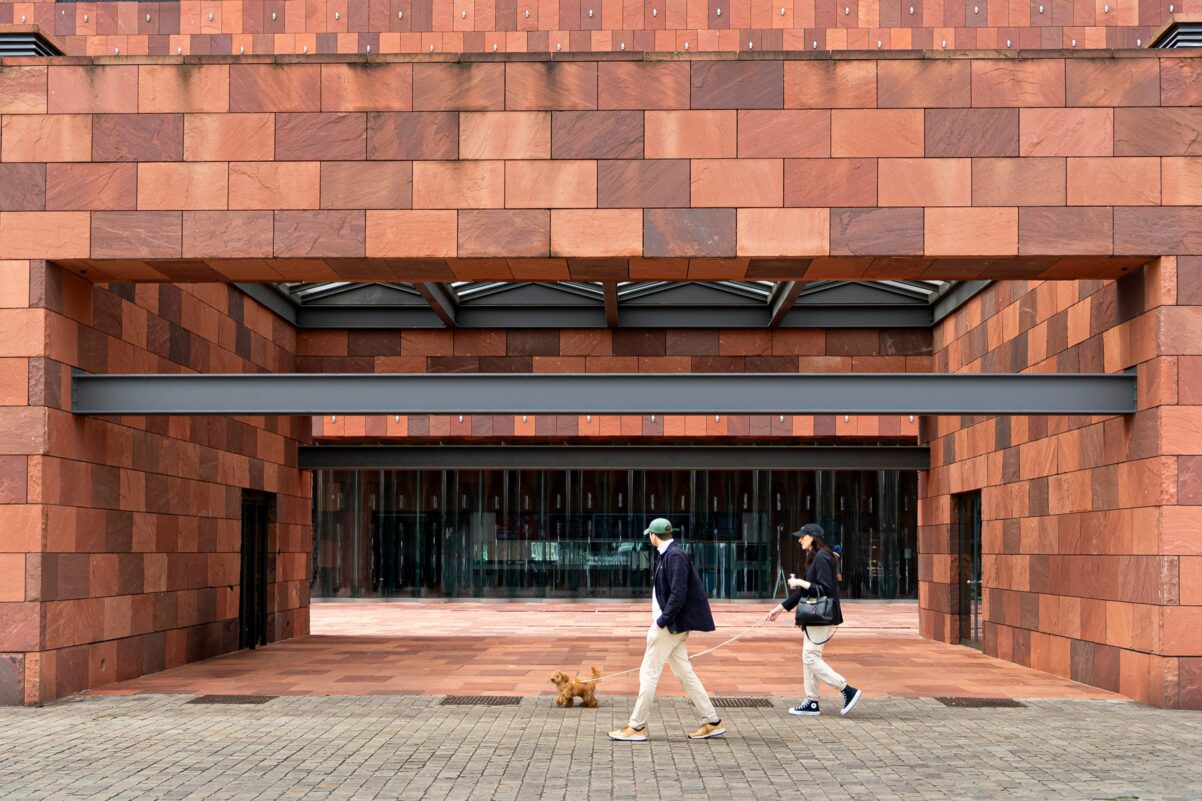
The centrepiece is MAS (Museum aan de Stroom), a striking tower of stacked glass and red sandstone by Neutelings Riedijk Architects. The panoramic rooftop is free and the views across the port and city are worth the climb alone. The permanent collection tells the story of Antwerp as a trading port with genuine ambition and care.

From here, make your way to Fiskeskur on Kattendijkdok-Oostkaai: a former customs building on the water, converted into a fish restaurant with an open wood-fire kitchen and a slightly rock-and-roll edge. The catch is sourced directly from the docks; the cooking involves fermentation and pickling techniques that give the food a depth you don’t always find in seafood restaurants. The waterfront terrace in summer is exceptional. Book ahead.

If you’re here with children or simply want an easy, sociable lunch, the Wolf Sharing Food Market operates from a renovated warehouse nearby: a covered food hall with a waterside terrace and street food drawn from across the world.

fer-troulik-dz8ROJjlp3s-unsplash (1)

Sint-Andries & Kloosterstraat

Sint-Andries is where Antwerp shops, or at least where it shops well. Kloosterstraat is the main artery: a long street of independent dealers, concept stores, vintage furniture, and the kind of interiors that require no particular reason to browse. Give it an afternoon.

The fashion credentials here run deep. On Nationalestraat, the street that Dries Van Noten’s flagship store transformed when he opened it in the 1980s across the road from his grandfather’s tailor shop, the legacy of the Antwerp Six still runs through everything. Labels Inc sells pre-loved pieces from Raf Simons and Martin Margiela alongside collections from the city’s latest crop of fashion graduates. REantwerp, the social enterprise co-founded by designer Tim Van Steenbergen, produces limited-edition tailored pieces from leftover fabric sourced from Van Noten and other Belgian designers, made in an on-site atelier by refugees and newcomers. It’s a genuinely moving model and the clothes are beautiful. Both addresses reward time.

On Kammenstraat, Arte is the city’s own premium streetwear label: urban, graphic, rooted in Antwerp’s design identity. Rains sits just across the street at number 42. Play Shop on Kloosterstraat rounds things out with a thoughtful selection of sustainable brands. And Ganterie Boon, which has been selling handmade gloves from the same address since 1884, is the kind of shop that exists as a small act of resistance against the way most cities now look.

When you need to stop, find Amici Coffee & Books at Kammenstraat 49. The bar is run by adults with disabilities alongside volunteers and professionals; the homemade cakes and daily soup are genuinely good and the atmosphere is warm in a way that feels unrehearsed. It’s the kind of place you stay longer than planned.

For dinner, Juliette on IJzerenwaag is the neighbourhood’s vegetarian address: straightforward, locally minded cooking that fills with locals at lunch and empties slowly. No fuss, consistent quality.

't Zuid

If Sint-Andries is where Antwerp shops, ‘t Zuid is where it lives. The gallery and museum quarter is the city’s most immediately liveable neighbourhood: wide streets, handsome buildings, and a density of good restaurants, coffee shops, and cultural institutions that makes it easy to lose a full day here without quite meaning to.

KMSKA (Royal Museum of Fine Arts Antwerp) returned from a lengthy renovation in 2022 and is now one of the finest art museums in the country. The permanent collection runs from Flemish primitives to Rik Wouters, displayed in a building that has been restored with real sensitivity. Don’t rush it.

Just a few doors along, MoMu (ModeMuseum) is essential for anyone trying to understand why Antwerp has the fashion reputation it does. The current major retrospective marks the 40th anniversary of the Antwerp Six’s first showing at the British Designer Show in London — six graduates from the city’s Royal Academy of Fine Arts who arrived by ferry from Ostend and effectively changed the direction of European fashion. Each designer has been given their own individually curated space. It runs until January 2027; see it while it’s here.

From the museum, the neighbourhood unfolds easily on foot. Fiskebar on Marnixplaats has been ‘t Zuid’s best fish restaurant since 2007: Scandinavian in spirit, precise in execution, with an oyster bar next door for when there’s no table. Book ahead. Dellafaille on Museumstraat is the bakery: exceptional bread, patisserie that earns its reputation, open most days. And Hotel Pilar, facing the KMSKA on Leopold De Waelplaats, serves what is widely considered the best brunch in Antwerp. Worth a visit even if you’re staying elsewhere.

Processed with VSCO with l4 preset
August-antwerp-belgium

The Green Quarter

The Green Quarter sits between the historic centre and ‘t Zuid, and it’s quieter than either. A residential neighbourhood of wide streets and green space that earns its name, with a particular calm that the city’s more visitor-facing areas don’t quite replicate.

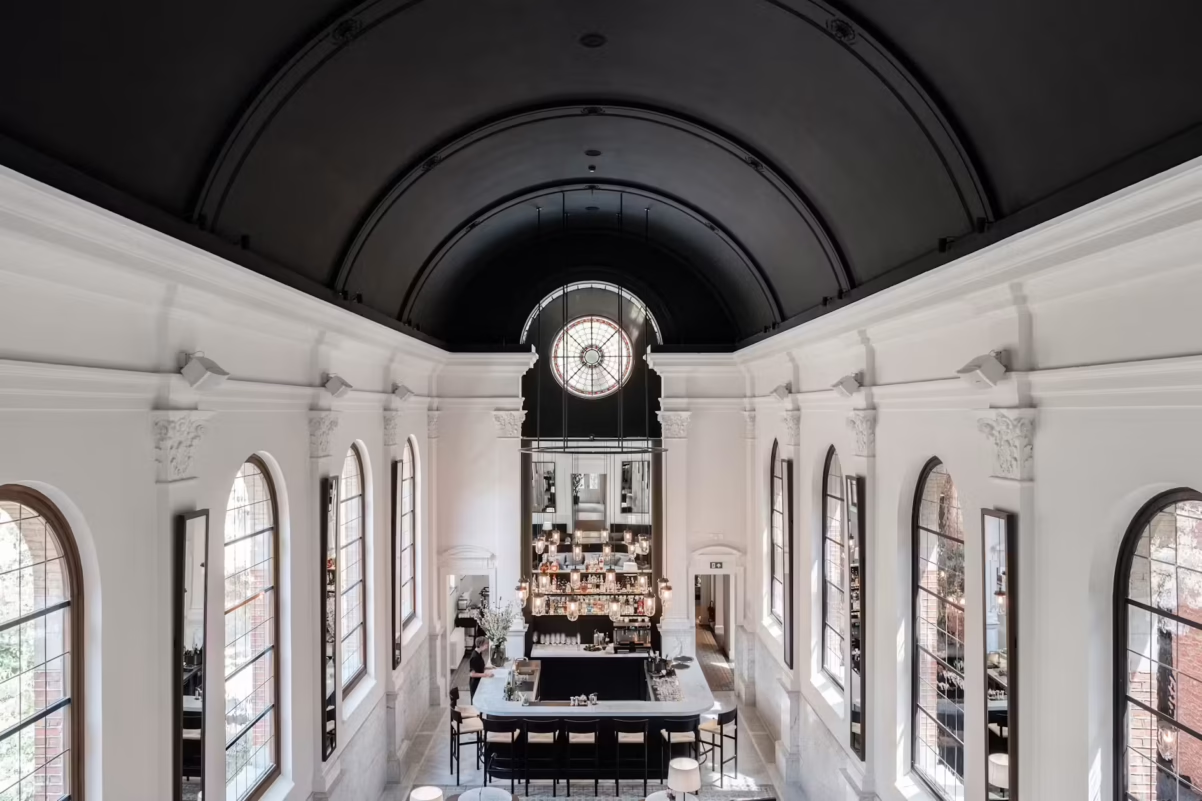
August is here, set within the walls of a former Augustinian convent, and the neighbourhood suits it perfectly. Vincent Van Duysen’s conversion is one of those rare hotel projects where nothing feels forced: the interiors are spare and luminous, the courtyard garden a genuine luxury, the wellness facilities (hammam, sauna, swimming pond) the kind that make leaving feel like a minor inconvenience.

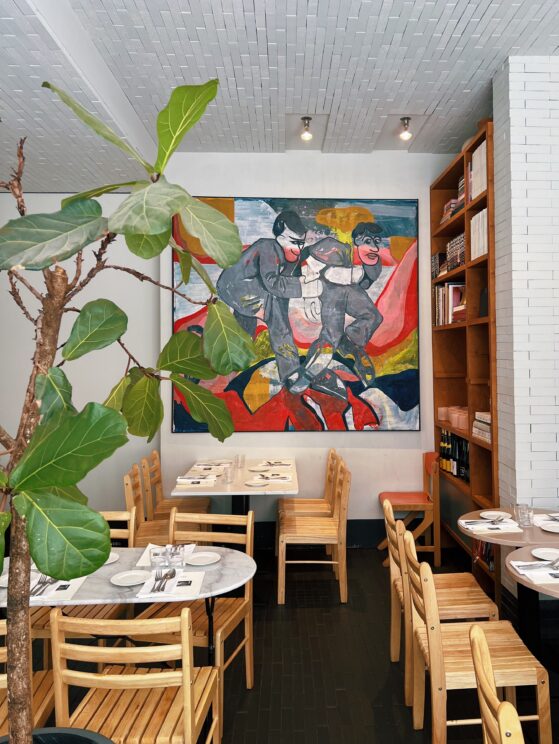
A short walk away on Helenalei, close to The Jane, Bar Vert is the Green Quarter’s most quietly compelling address. A plant-forward café and kitchen with a tight seasonal menu and the kind of relaxed confidence that comes from knowing exactly what it is. Good for a long lunch before an afternoon in the city.

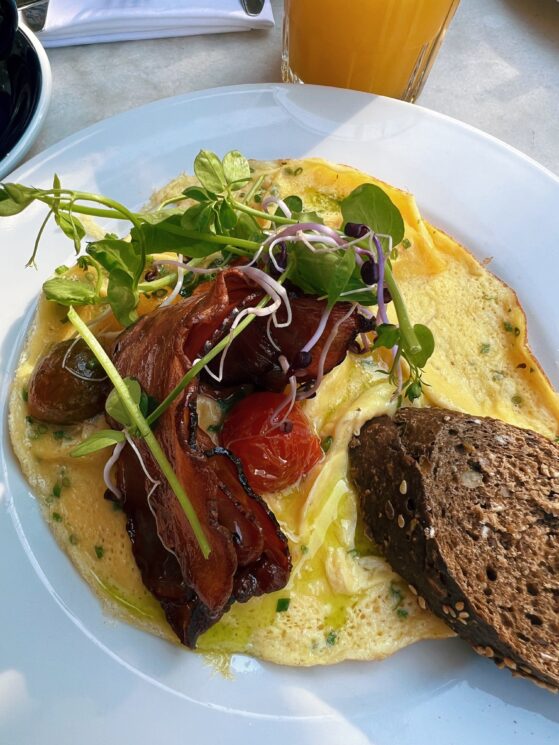
Charlie’s at August, the hotel’s all-day restaurant, is one of the better places to eat in Antwerp regardless of where you’re staying. The cooking is produce-led, the breakfast considered, and the setting inside the former convent, with light coming through the courtyard, is one of the more pleasant rooms in the city to spend an unhurried hour in.

The Green Quarter is also simply worth walking through. Calm, residential, unperformed. The best parts of Antwerp tend to reveal themselves to people who are paying attention — and this neighbourhood is proof of it.