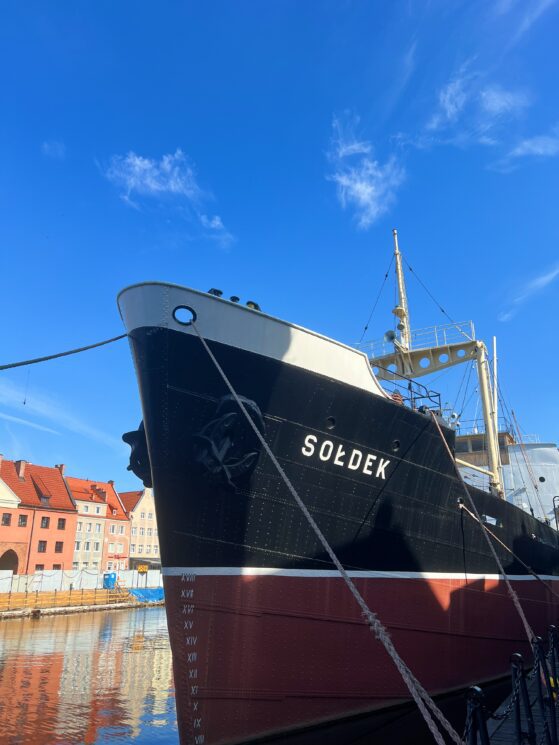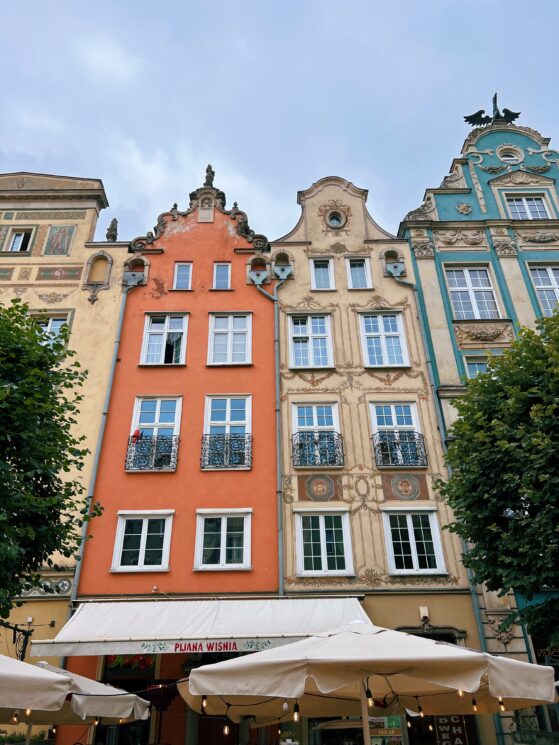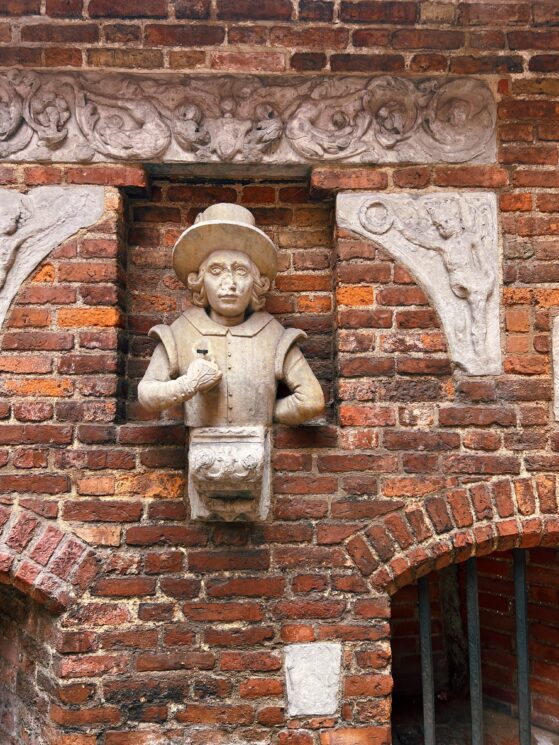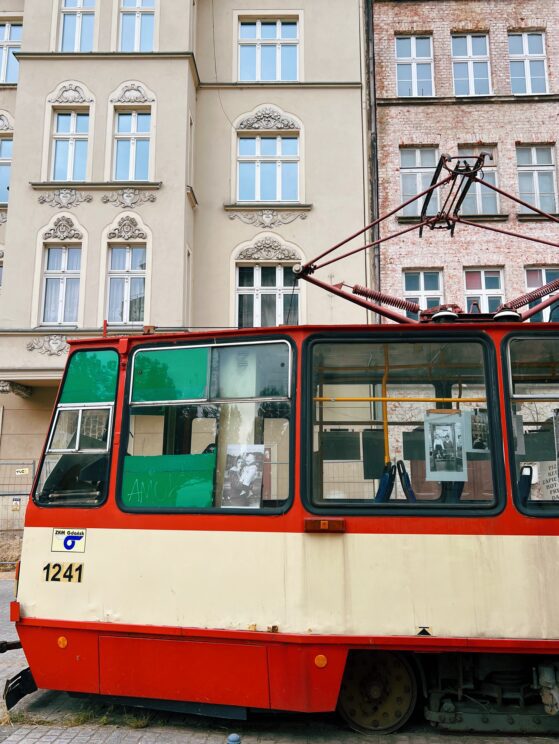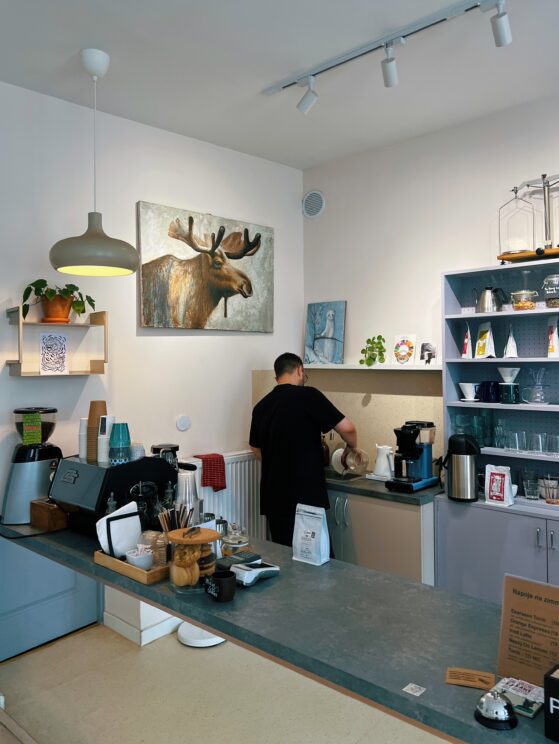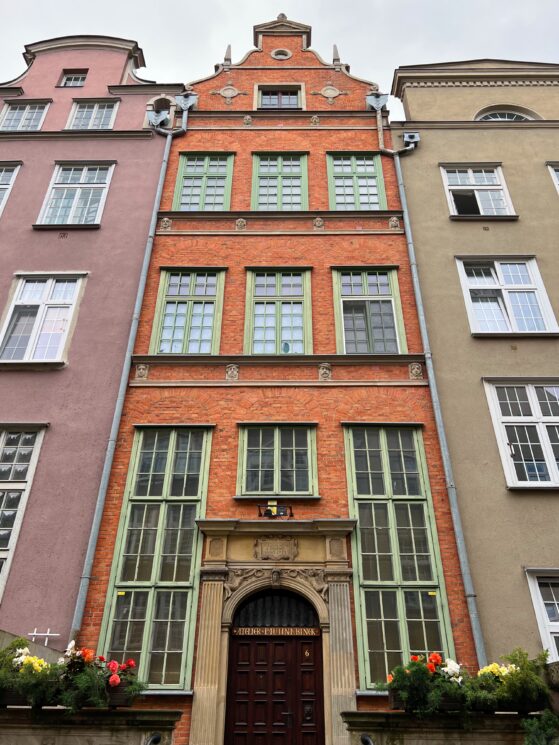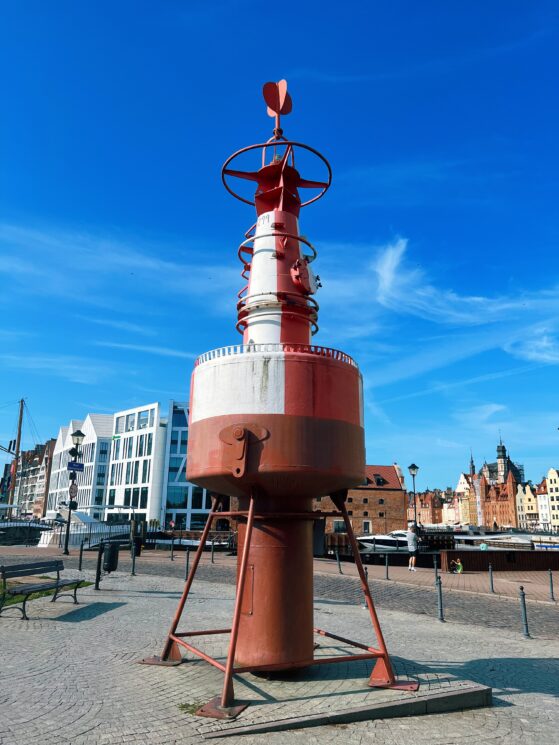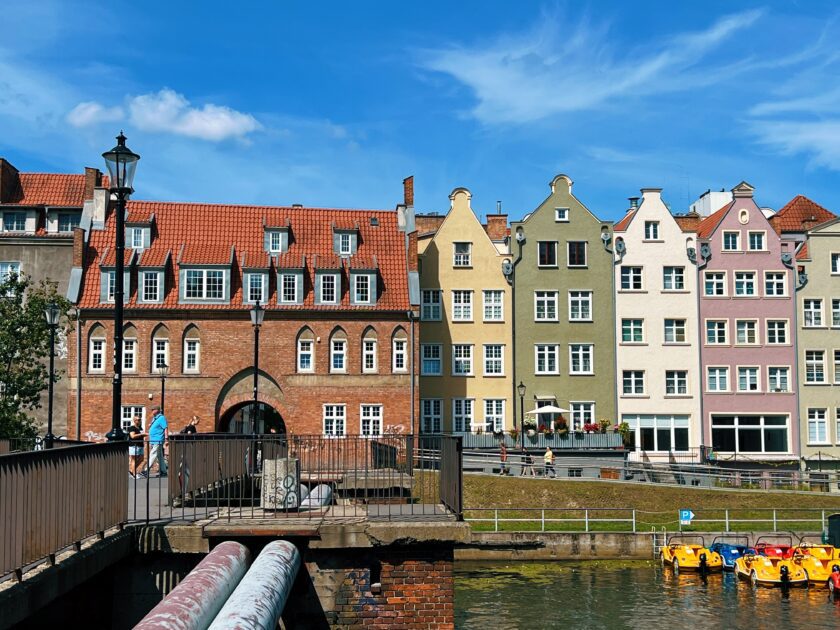
Gdańsk is beautiful in the obvious ways. Colourful merchant houses line the streets, Gothic churches rise above the rooftops and the Motława glides quietly through the centre. What you are looking at, though, is largely a reconstruction. The city was almost entirely destroyed during the Second World War; Polish architects rebuilt it street by street, drawing on old paintings and photographs, and made a deliberate choice to emphasise the Dutch and Flemish influences that had shaped Gdańsk during its Hanseatic golden age. The result is a city that can feel, at times, almost too considered — but spend a little longer here and something else begins to emerge: old shipyards, independent designers, antique shops and a dining scene that feels increasingly confident in its identity.
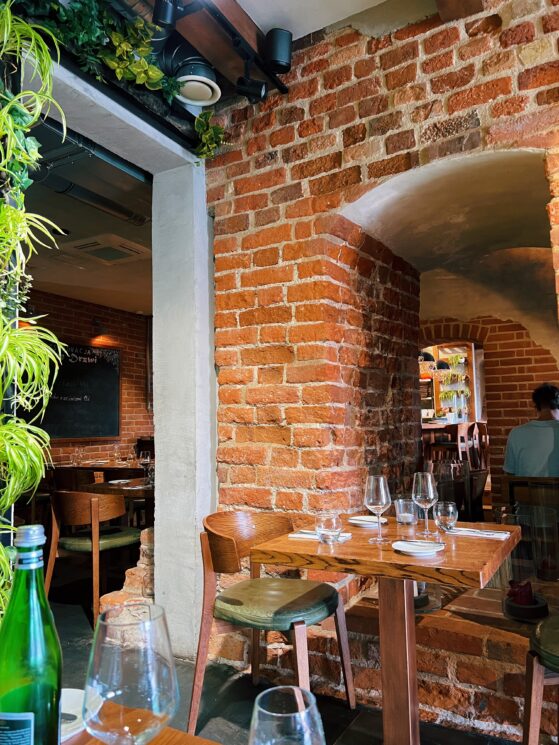
By evening, that confidence is easy to taste. At Fino, modern Polish cooking is presented with precision, while Canis offers a more atmospheric setting among the historic streets. In Dolne Miasto, Nie/Mięsny feels younger and more experimental, with natural wines and a kitchen happy to move between comfort food and creativity. Mandu is the place for pierogi, where queues are part of the experience.
On Mariacka, amber is everywhere. Resist the temptation to buy the first polished piece that catches your eye. Look instead for something irregular: a naturally shaped fragment, an unusual honeyed colour or a tiny inclusion preserved inside the stone. For something more contemporary, wander towards Pańska for Polish ceramics and objects by independent designers, or the shops around Wrzeszcz for vintage finds: old glassware, furniture and strange little objects that seem to have no obvious purpose but somehow demand to come home with you.
Then the city changes completely. Beyond the historic centre, the enormous cranes of the former Gdańsk Shipyard dominate the skyline, reminders of the industry and political history that shaped modern Poland. Around them, murals, galleries and creative spaces have begun to occupy the old industrial landscape. At 100cznia, food stalls, bars, art and music fill the space beneath the cranes, creating one of the most unexpected places to spend an afternoon in Gdańsk.
When the centre feels busy, head further out. Oliwa slows the pace among park trees and a quiet cathedral. Further still, Brzeźno Beach offers fine sand, sea air and the simple pleasure of walking along the shore with Gdańsk still close enough to see.
The beauty of Gdańsk is easy to find. Its character takes a little more effort. Look beyond the postcard streets and you find a city still reinventing itself: where amber sits beside contemporary design, shipyard cranes overlook new creative spaces, and the Baltic is never quite as far away as it seems.