The highway west from Algiers unwinds like a ribbon, the city’s chaos fading into open sky until the Mediterranean leaps into view, impossibly blue and infinite. By the time we arrived in Tipasa — Tipaza, as locals say — the air itself feels different: salted, sun-warmed, and insistently unhurried, as though the coastline has politely asked time to slow down.
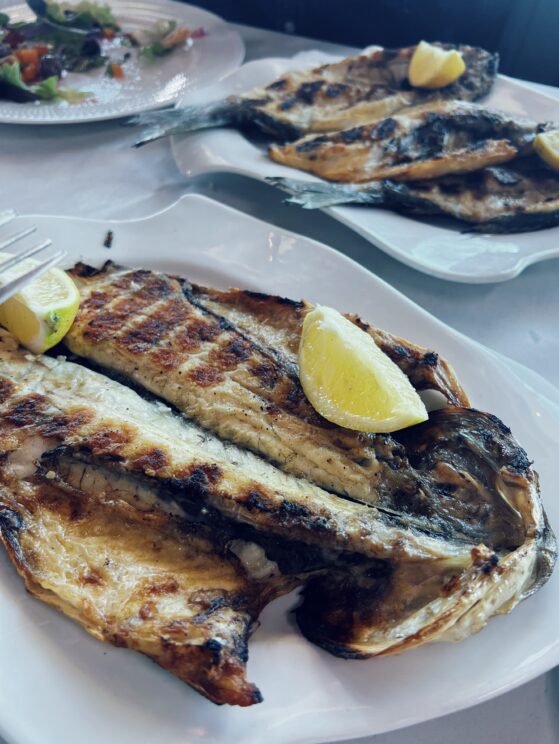
We began with lunch at Restaurant Le Dauphin (مطعم الدلفين): grilled fish, fried calamari and fries arrived bright with lemon and olive oil, the scent of the Mediterranean drifting onto the plates as if it were seasoning itself. In the backdrop, fishermen rowed quietly in the port below.
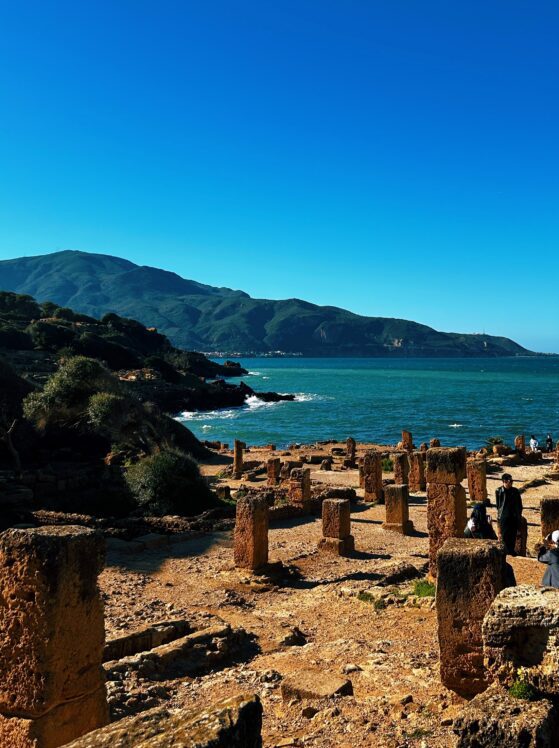
After a walk around the port, we headed to the Roman ruins (ruines romaines Tipaza – الاثار الرومانية), where sun-washed columns rise from wild grass and basilicas open boldly toward the sea. Waves crash below the cliffs in the same indifferent rhythm they have kept for millennia, and the horizon blurs past and present into a single, suspended moment. A detour to the Centre d’Archéologie de Tipaza offers mosaics and fragments that feel less like artefacts and more like quiet memoirs of an empire that once thrived here.
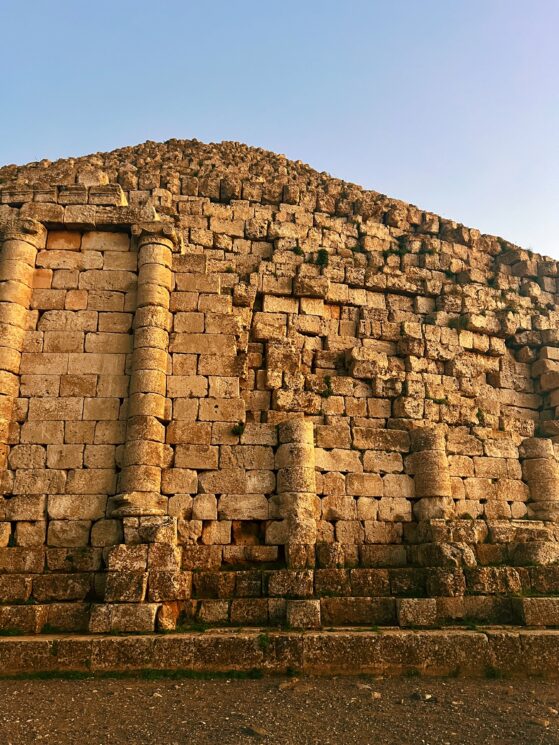
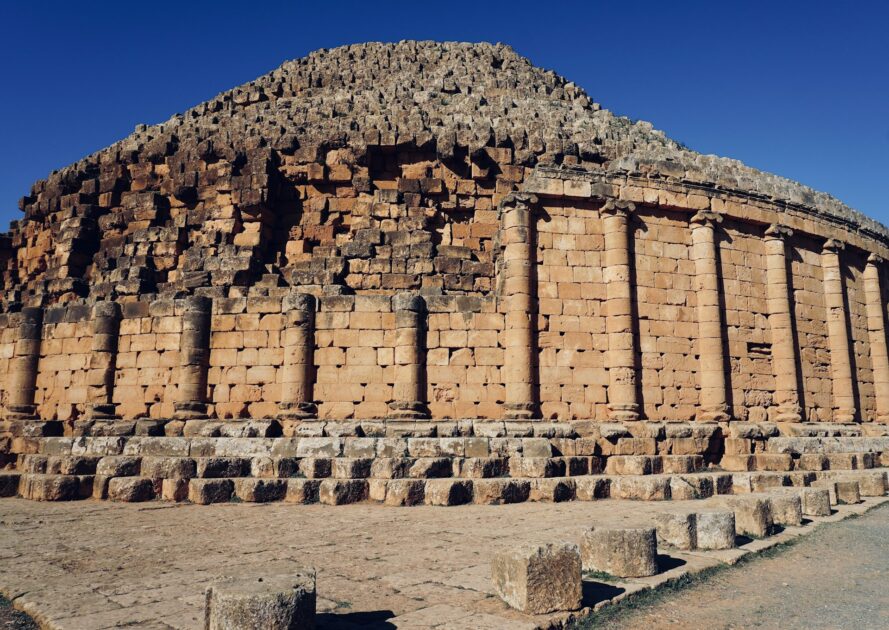
Inland towards the hills, the Royal Mausoleum of Mauritania (الضريح الملكي الموريتاني) rises in serene authority. Circular and monumental, it commands the skyline, its silhouette softened by a wind that seems to move differently here — gentler somehow, as if the air itself respects history. The surrounding roads hum with the quiet pulse of everyday life: motorcycles and cars weaving toward the beaches, a reminder that this ancient landscape is still very much lived in.
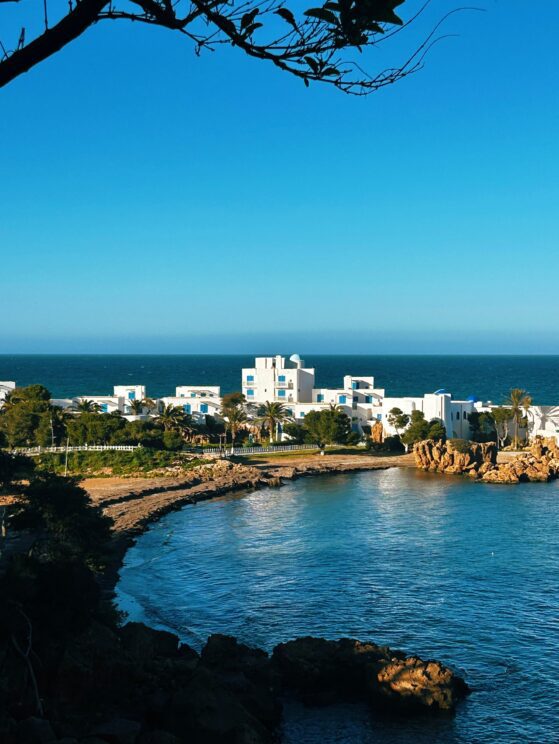
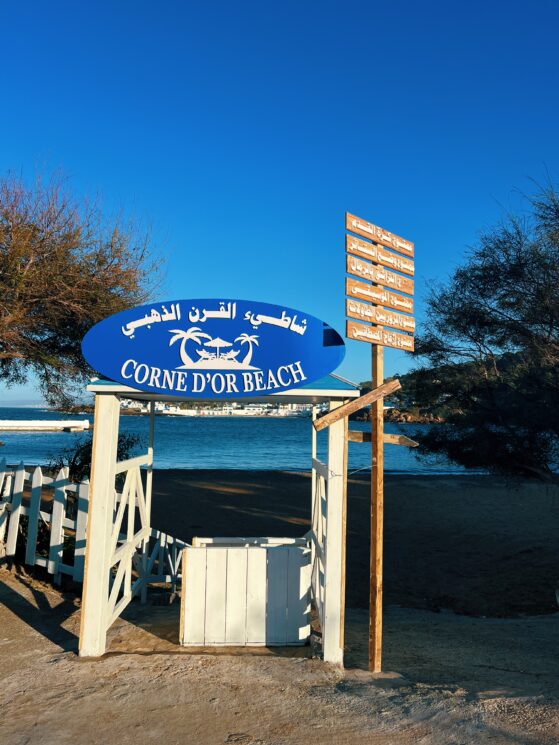
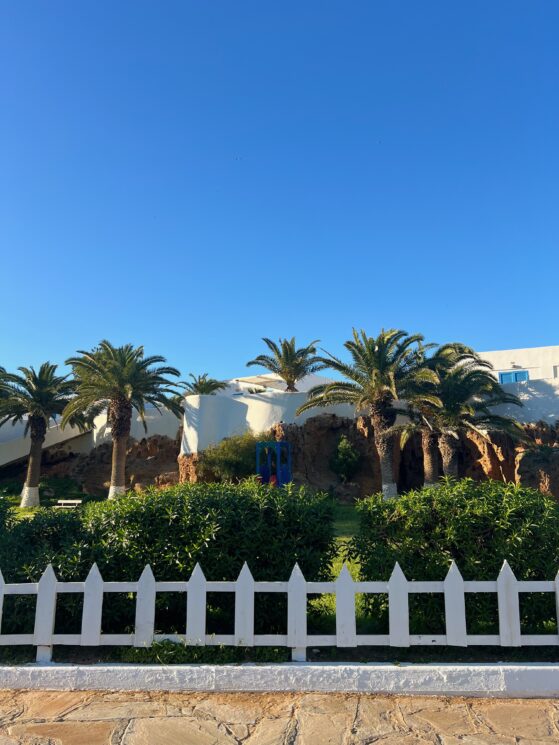
By afternoon, the coast shifts into leisure. At Plage de la Corne d’Or, pale-gold sand and turquoise water invite slow wandering; swimmers drift, children laugh, and the sunlight glances off the sea in glittering fragments. The beautiful white-washed buildings feel like a discovery — the kind that makes you wonder why Algeria’s coast isn’t spoken of in the same breath as the Mediterranean’s more familiar shores.
As the day leans toward evening, the ruins catch fire in amber, the mausoleum fades into silhouette, and the corniche hums with soft life. Tipasa does not insist on being noticed. It lingers quietly — in the warmth of stone beneath your fingertips, the tang of salt in the air, and the endless story of a sea that has witnessed empires rise and fall, patiently waiting for those willing to slow down and listen. We headed back to Algiers with more motivation to explore this magically diverse country.